-
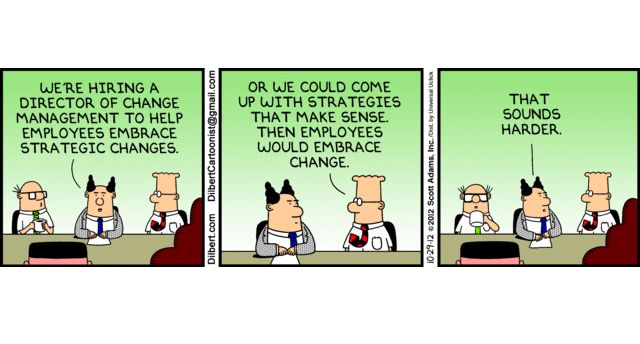
Infrastructure by Adoption: An AI-Engineering First Principle
Infrastructure used to be only created by decision. Now it’s also created by adoption. Useful tools are getting built everywhere now — a solutions architect writes an integration wrapper to unblock onboarding, a PM stands up a dashboard pulling from three APIs, an engineer builds a CLI to automate a migration. These things work. They…
-
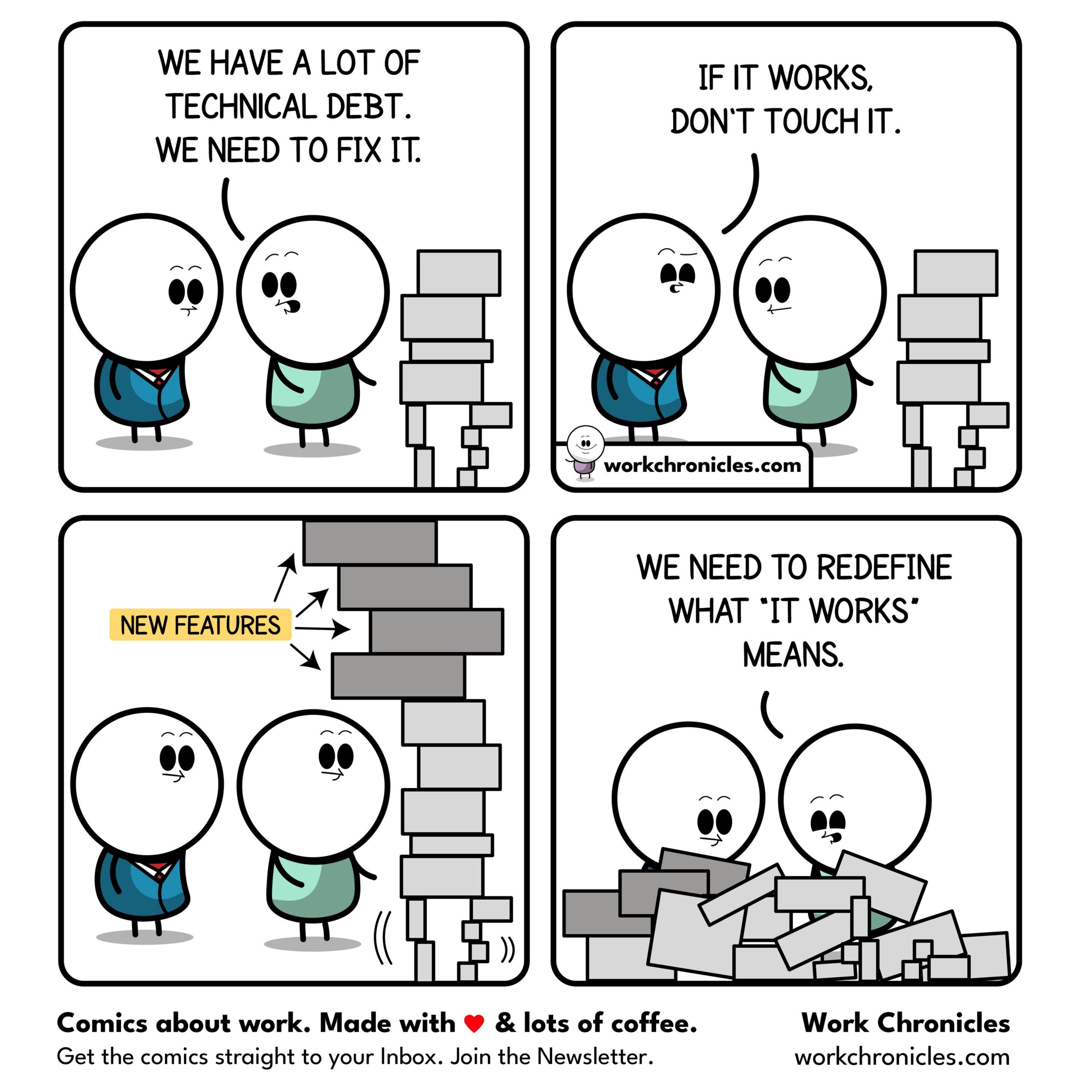
Your Roadmap Needs a Type System
Most roadmaps describe what product and engineering plan to deliver. With AI at their fingertips, most organizations are now building far more than that. Sales ops builds enablement tools. The onboarding team prototypes a workflow that multiple new customers are using within a week. An engineer ships an integration, and the data pipeline behind it…
-
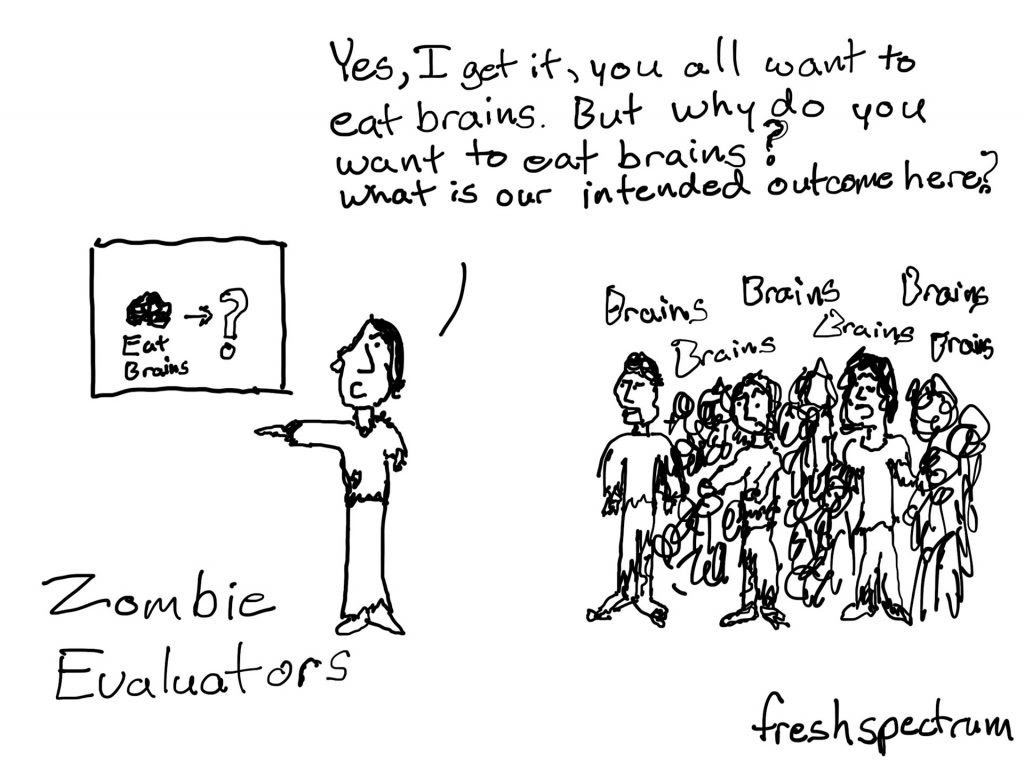
Hackathons: A C-Suite Perspective
A two-day hackathon looks like a gift to your team. Two days off the roadmap. Two days of building whatever they want. If you’re a CRO wondering when the feature to help close the deal will be deployed, it looks like you just lit a match on a week’s worth of productivity (because you’re also…
-

Systems Over Heroes
SaaS is in a rough stretch. Companies are cutting, consolidating, fighting to keep the lights on. The Saaspocalypse is being felt at varying stages depending on the market. And when organizations are under pressure, something deeply human kicks in: they start hoping for a hero. Not necessarily a specific person. Just someone — from engineering,…
-
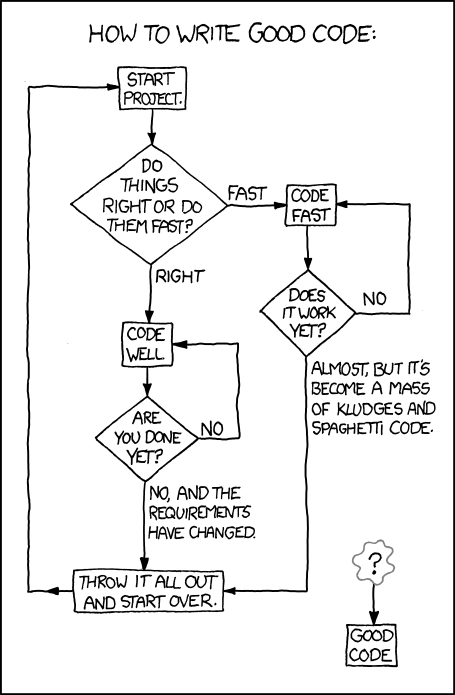
The Month Two Reality of AI-Enabled Development
There is plenty of discussion about AI-enabled development, but very little of it deals with what actually happens inside an organization once the tools are in everyone’s hands. I’m interested in the process stuff—the “where the rubber meets the road” issues that show up in daily operations rather than demos. These aren’t hypothetical risks; they…